
9 Tips for Effective Graffiti Removal
26th Jun 2026
Unwanted markings on your property can damage your professional image and lower your estate value. Vandalism creates an unwelcoming atmosphere that deters visitors and signals neglect. Acting quickly helps you regain control over your storefront and maintain safety.
Managing these defaced areas requires understanding your building materials and using the correct tools. Property owners often struggle with stubborn spray paint layers on delicate masonry. Choosing the right methods ensures your brick or stone surface remains completely undamaged during cleaning.
Implementing a consistent maintenance schedule prevents future vandalism and preserves your exterior walls. Clean buildings discourage vandals from returning to leave new markings.
Discovering illicit spray paint on your walls requires immediate action to protect your investment. Knowing the best strategies prevents permanent shadow outlines and maintains your professional reputation. Consistent maintenance protects building exteriors from long-term staining and expensive structural deterioration.
1. Act Quickly to Stop Deep Surface Staining
Promptly cleaning freshly painted exterior surfaces prevents pigments from sinking deep into porous building materials. Fresh overspray remains highly responsive to basic solvent mixtures before baking under direct sunlight. Quick action reduces the scrubbing time required to completely clear your masonry walls.
Delaying your cleanup efforts allows chemical solvents to cure completely against the siding material. This bond hardens within a few hours of application, making eradication much more difficult later. Speedy interventions keep your property clean and discourage vandals from returning.
Property owners who manage their storefront cleanliness effectively reduce the risk of secondary markings. Vandals prefer targeting properties that already feature neglected designs and chipped paint. Initiating rapid procedures helps with graffiti removal and signals that your business maintains active, daily surveillance.
2. Identify Your Specific Building Material Matrix
Analyzing the structural substrate before applying chemical cleaners prevents permanent masonry degradation. Delicate brickwork requires entirely different care compared to resilient steel panels or tempered glass windows. Testing small sections ensures your chosen wash will not cause bleaching.
Porous materials absorb pigments deeply, requiring specialized breaking agents to lift the shadow stains. Smooth metal allows for easier wiping but scratches easily if you use abrasive scouring pads. Matching your cleanser to the surface type guarantees excellent results every time.
Understanding your surface dynamics helps you choose between gentle pressure washes and heavy chemical treatments. Incorrect pairings can dissolve mortar joints or strip away important protective factory sealants. Proper identification remains the foundation when planning for graffiti removals.
3. Choose the Correct Chemical Solvent Formula
Selecting targeted liquid solutions ensures the rapid breakdown of synthetic aerosols and oil paints. Modern chemistry offers biodegradable options that liquefy tags without producing toxic workplace fumes. These specialized formulas separate the unwanted lacquer from the underlying coats without harming your brick.
Applying the solution evenly across the defaced zone allows the active ingredients to dissolve the binders safely. Letting the mixture sit for several minutes maximizes efficiency before you begin rinsing.
Investing in high-quality chemical agents prevents ghosting images from remaining on your exterior walls. Cheaper alternatives often spread the pigment around, creating larger stains. Experienced teams rely heavily on professional-grade chemical compounds for graffiti removal.
4. Apply Controlled Pressure Washing Techniques
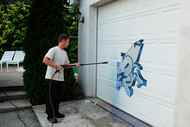
Using pressurized water streams helps blast away dissolved paint residue from deep concrete pores. Adjusting the spray nozzle ensures the stream does not carve tracks into older stone block arrangements. Combined with moderate heat, hot water pressure washers rinse away stubborn lacquer instantly.
Keeping the spray wand moving continuously prevents localized damage to your external siding boards. Holding the stream in one spot for too long can strip natural wood fibers away. Gentle, sweeping motions lift the loosened residue cleanly into your drainage systems.
Relying on specialized washing equipment saves hours of manual labor on larger commercial properties. The mechanical force dislodges particles that hand scrubbing simply cannot reach.
5. Install Protective Anti-Graffiti Barrier Coatings
Applying invisible sacrificial layers protects vulnerable masonry from future permanent paint adhesion. These specialized sealants prevent fresh aerosol sprays from bonding directly with porous stone structures. Future cleanup tasks require only a basic hot water rinse to melt the vandalism away.
Permanent barriers withstand multiple wash cycles without needing reapplication after every single cleanup event. They maintain natural material look while keeping pigments sitting entirely on the outer surface.
-
Sacrificial coatings melt away during hot washing, taking the paint with them.
-
Non-sacrificial polymers endure repeated chemical cleanings without fading.
-
Matte finishes preserve the historic appearance of natural stone facades.
Using defensive coatings changes how your management team approaches building security and visual preservation. It transforms an intensive restoration project into a quick, routine power washing task.
6. Research the Historical Background of Vandalism
Studying how modern paint tagging spread through urban areas provides helpful context for property protection. According to Vox, modern street markings first appeared during the late years of the 1960s within Philadelphia neighborhoods before expanding worldwide. Understanding this cultural trajectory helps communities design better architectural deterrents.
Knowing the historical roots of street art allows owners to distinguish between random property destruction and commissioned murals. Some business districts now utilize authorized local artwork to cover inviting blank walls.
Analyzing local tagging trends helps security teams position cameras where visual disruptions happen most frequently. Tracking these patterns ensures your ongoing maintenance budget goes exactly where workers need it most. Documenting incidents supports professional operators handling tasks for graffiti removals.
7. Implement Creative Architectural Deterrent Systems
Designing your exterior landscape with defensive architectural elements discourages vandals from targeting your walls. Planting dense, thorny bushes along blank concrete barriers makes physical access to the surface difficult. Adding bright, motion-activated lighting systems exposes nighttime taggers before they can finish painting.
Utilizing textured wall materials instead of smooth surfaces reduces the visual impact of illicit markings. Rough stucco or deeply grooved wood siding makes applying clean aerosol designs nearly impossible. These physical design modifications provide passive security that works around the clock.
Strategic property design choices fundamentally reduce the frequency of property defacement over long periods. When surfaces are hard to reach or poorly suited for paint, taggers move elsewhere. Incorporating these smart structural designs streamlines your efforts when executing tasks for graffiti removals.
8. Engage the Local Community in Prevention
Building strong relationships with neighboring businesses creates a unified front against neighborhood vandalism. Shared surveillance networks allow property owners to pass information about suspicious nighttime activities quickly. Working alongside local neighborhood watch groups ensures prompt reporting of any new wall markings.
Organizing community cleanup days fosters collective pride and shows a zero-tolerance stance toward property damage. When volunteers paint over fresh defacement together, they reinforce solidarity across the entire commercial district.
Collaborative community action drastically reduces the ongoing burden of property restoration for individual owners. When everyone watches out for shared spaces, malicious mischief drops significantly. Strong neighborhood networks complement your professional options for graffiti removals.
9. Establish a Reliable Documentation Routine
Photographing every incidence of property defacement provides essential evidence for insurance claims and police reports. Tracking the specific styles and colors helps law enforcement link separate visual disruptions to specific individuals. Maintaining a detailed digital log monitors the overall frequency of property targeting.
Filing comprehensive reports ensures local authorities allocate sufficient patrol resources to your commercial district. Insurance providers also require clear visual proof before processing claims for extensive exterior restorations.
Consistent documentation transforms a frustrating cleanup chore into valuable data for future protection. Understanding when and where taggers strike helps you optimize your security camera placement. Organized records ensure your team saves time when approaching graffiti removals.
Maintaining immaculate exterior walls requires the right balance of speed, chemistry, and specialized industrial equipment. Defaced surfaces alter consumer perceptions and reduce your local foot traffic if left unaddressed.
When DIY methods fail to lift deep phantom shadows from your masonry, call professional technicians immediately. Our experienced team uses advanced tools to restore your storefront safely without altering delicate brickwork. Contact Graffiti Solutions Inc today to find out which product will solve your problem.